I'm Done Waiting for Anthropic to Figure It Out
Here's the truth I've been sitting on for a few weeks now.
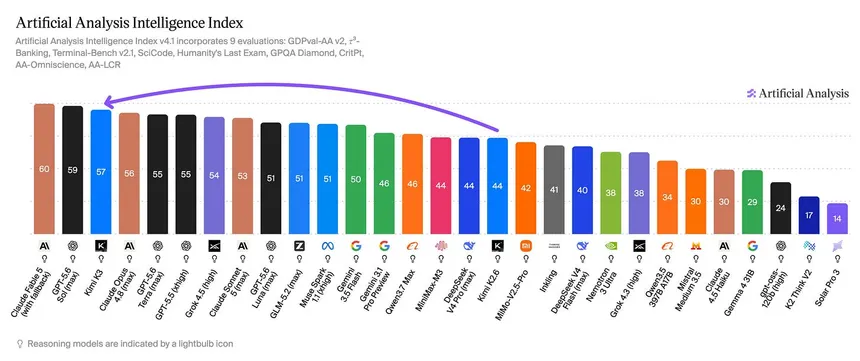
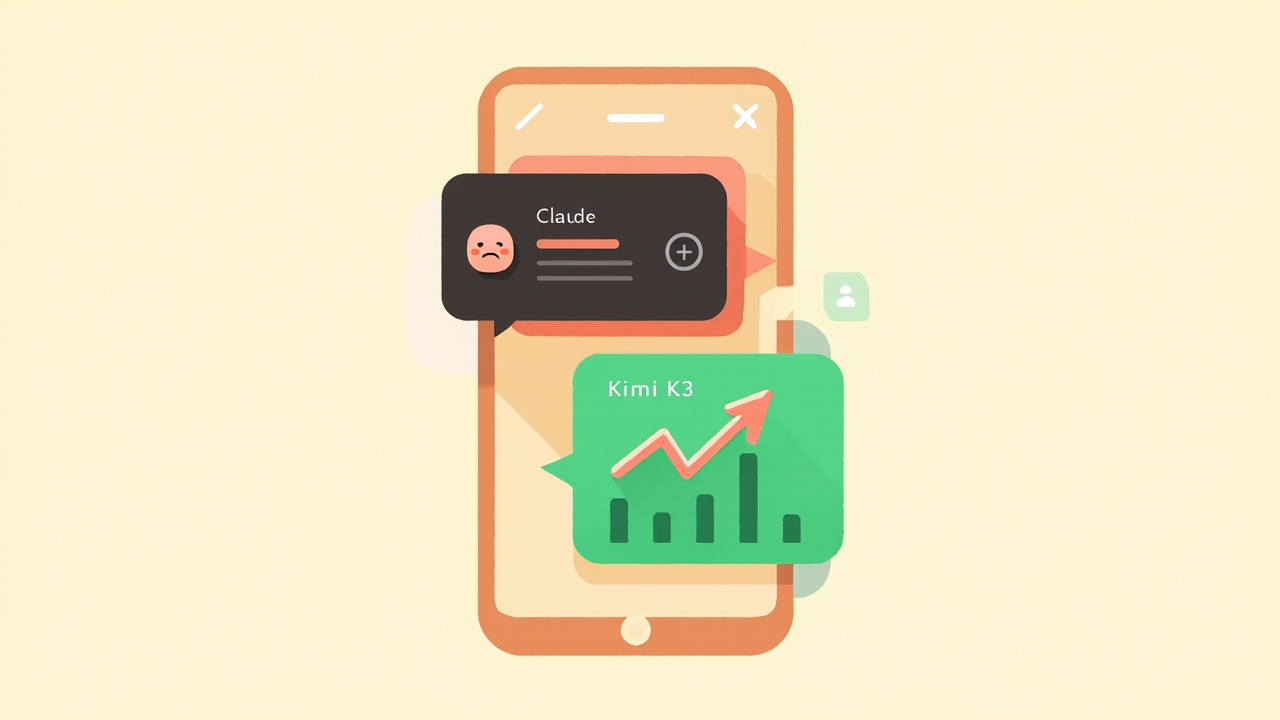
Kimi K3 launched. And it showed — in real terms — that it's rivaling the premier frontier models. Not in marketing copy. Not in benchmark gymnastics. In actual use.
Meanwhile, Opus and Sonnet are just... not keeping up.
The final straw
Anthropic removed Claude Code from pro plans.
I get it — they need to monetize. But for heavy users who built their workflows around Claude Code, this is a signal. The free tier keeps getting extended because the paid tier keeps getting worse. And now they're cutting the one thing that made pro plans worth considering.
That's not a business decision. That's slow bleed.
OpenAI changed the math
Then there's OpenAI. Sol models are giving way more usage, at a lower price point, with performance that's genuinely closer to Claude Code than Sonnet 4 is.
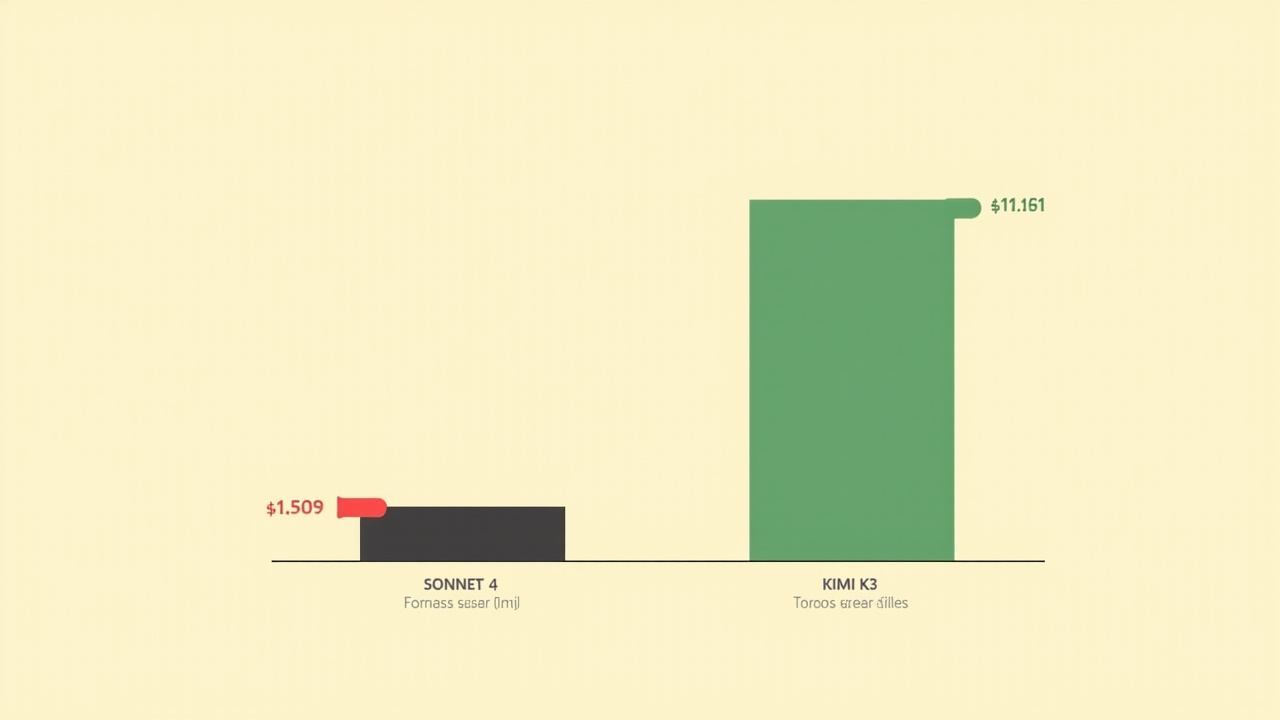
So now you're paying more for less. Sonnet 4 isn't competing with Sol anymore — it's losing the comparison on both performance and cost.
That's not a spot you want to be in as a user.
Kimi K3 makes the decision easy
Here's what Kimi K3 offers:
- Similar performance to Claude and Fabe — at a fraction of the cost
- API access included — so you can plug it into every app you already use
- Open-weight models — not locked behind a proprietary wall
- Real usage, real context windows, real pricing
If you're a founder or builder who's been watching this space, you know what this means. The price-to-performance ratio just shifted dramatically, and it's not shifting back toward closed proprietary models.
What I'm doing
I'm not saying Anthropic is finished. Dario Amodei and team have built something genuinely impressive with Claude. The model is still excellent for certain tasks.
But for my workflow — coding, automation, app integration — Kimi K3 is the smarter choice right now. And at this price, the math is obvious.
Anthropic needs to do something real. Not another extended free tier. Not another pro plan restructuring. Something structural — pricing that reflects reality, API access that doesn't punish usage, and models that stay competitive on actual tasks.
Until then, I'm out.